Brick and Stone Flatwork Repair vs. Replacement for Commercial Properties
Local contractors specializing in brick and stone flatwork repair can assess whether repair or replacement best suits your commercial property's needs.
If you manage a commercial property, understanding the differences between brick and stone flatwork repair versus replacement can be a valuable part of maintaining a professional appearance and ensuring safety. Property owners in the area often explore these options to determine the most practical and cost-effective way to address damaged or aging flatwork surfaces like walkways, patios, and loading areas. Making informed decisions about repair versus replacement can help extend the lifespan of these features and prevent more extensive issues down the line. Local contractors specializing in brick and stone flatwork repair can assess the condition of existing surfaces and recommend solutions that preserve the integrity and aesthetic appeal of your property.
Considering repair instead of replacement can offer several benefits, especially when addressing specific types of damage or deterioration. Repairing existing flatwork often involves less disruption and can be a more economical choice, allowing property owners to maintain their property's value without unnecessary overhaul. Local service providers skilled in brick and stone flatwork repair are equipped to handle a variety of issues, from cracks and chips to uneven surfaces, helping property owners maintain a safe and attractive environment. Keep reading to learn more about how these services can help you make the best choice for your commercial property's flatwork needs.
- Cracked or uneven brick and stone flatwork - when deterioration affects safety or appearance, service providers often recommend repair to preserve the existing structure.
- Surface staining or minor damage on brick and stone flatwork - local contractors may suggest repair to restore aesthetics without full replacement.
- Severe structural damage or widespread failure - in cases of extensive deterioration, pros might advise replacement to ensure long-term stability.
- Efflorescence or surface effacement issues - repair options are available to address surface problems while maintaining the original materials.
- Routine wear or minor cracks in brick and stone flatwork - many service providers focus on repair to extend the lifespan of existing flatwork instead of replacement.
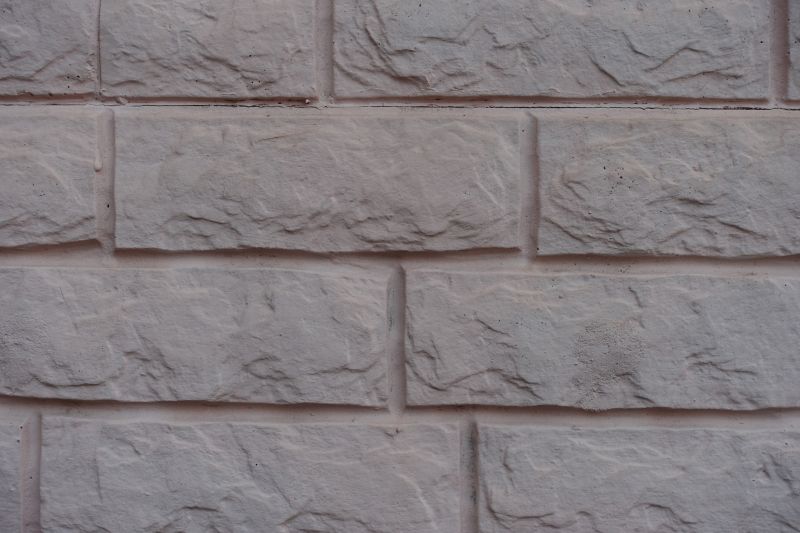
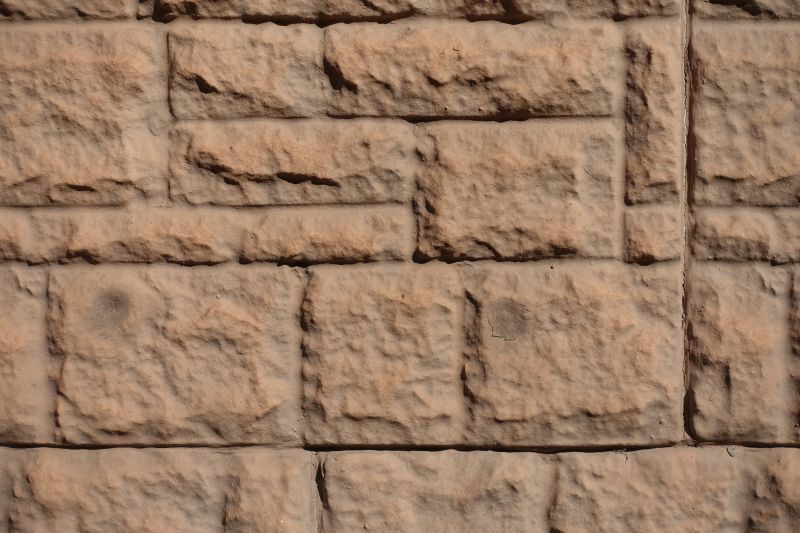
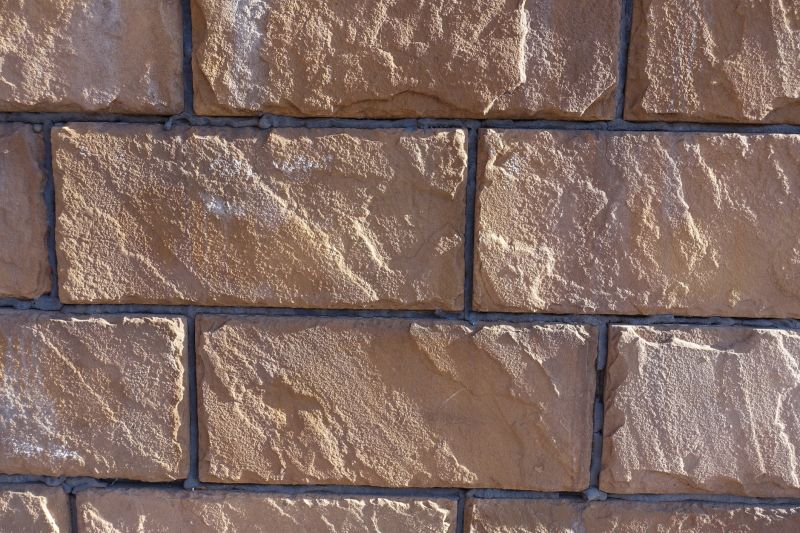
When people search for brick and stone flatwork repair versus replacement for commercial properties, they are usually trying to understand the best approach for addressing damage or deterioration in their outdoor surfaces. This topic often comes up when a business or property owner notices cracks, uneven areas, or crumbling sections in walkways, patios, or courtyards made of brick or stone. The goal is to determine whether repairing the existing flatwork can restore its appearance and functionality or if a full replacement is necessary to ensure safety and long-term durability. Property owners want practical solutions that improve their curb appeal while avoiding unnecessary expenses, making it essential to work with experienced local contractors who can evaluate the condition of the flatwork and recommend the most appropriate course of action.
The decision between repair and replacement is closely related to the specific problems affecting the flatwork and the future plans for the property. Common issues include cracks caused by ground movement, settling, or freeze-thaw cycles, as well as spalling, which is the flaking or peeling of the stone or brick surface. Repair options often involve patching, sealing, or reinforcing weak areas to extend the life of the existing flatwork. Replacement, on the other hand, might be considered when the damage is extensive or the flatwork has reached a point where repairs would be ineffective or cost-prohibitive. Many property owners also consider replacement if they want to update the aesthetic appearance or improve safety by eliminating trip hazards. Local service providers can assess the extent of damage and advise on whether a repair or replacement best suits the property's needs and future plans.
Commercial properties that typically come up in discussions about brick and stone flatwork repair versus replacement include retail centers, office complexes, industrial facilities, and institutional buildings like schools or government offices. These properties often have high foot traffic, making the condition of their flatwork critical for safety and accessibility. Damage or deterioration can lead to liability issues, so property managers and business owners are keen to find solutions that balance cost, durability, and appearance. Flatwork repairs might be suitable for minor cracks or surface issues, while larger structural concerns or outdated designs may necessitate full replacement. Local contractors experienced in commercial flatwork can handle projects of various sizes, ensuring that repairs or replacements meet the specific demands of commercial use.
Understanding the differences between repair and replacement for brick and stone flatwork on commercial properties helps property owners make informed decisions that align with their operational needs and aesthetic goals. Repair work tends to be less disruptive and more cost-effective for minor issues, offering a way to maintain safety and appearance without a complete overhaul. Replacement provides an opportunity to upgrade the flatwork to modern standards, improve durability, and eliminate ongoing maintenance concerns. Local service providers specializing in brick and stone flatwork can evaluate the existing condition, recommend the best approach, and execute the work efficiently. Connecting with these experts ensures that the flatwork on commercial properties remains functional, attractive, and safe for years to come.
Concrete paving restoration - local contractors skilled in repairing and restoring concrete surfaces share techniques similar to brick and stone flatwork repair for commercial properties.
Sidewalk and walkway repair - these projects require planning and skills in handling masonry materials, making them comparable to flatwork repair and replacement decisions.
Parking lot and driveway patching - professionals experienced in patching and resurfacing asphalt and concrete surfaces often work with flatwork materials for commercial repair projects.
Retaining wall construction - building and repairing retaining walls involves masonry skills similar to those needed for brick and stone flatwork repairs for commercial sites.
Paver installation and repair - local service providers who install or repair paver surfaces also handle flatwork projects, sharing planning and material handling skills.
Facade masonry restoration - restoring or repairing building facades involves masonry expertise that overlaps with the skills used in brick and stone flatwork repair versus replacement.
When evaluating contractors for brick and stone flatwork repair versus replacement for commercial properties, experience with similar projects is a crucial factor. Service providers who have a history of handling comparable repair or replacement jobs can offer insights into the specific challenges and best practices associated with commercial-grade brick and stone work. An experienced contractor is more likely to understand the structural considerations, material requirements, and long-term durability needs unique to commercial settings, helping ensure the work is performed effectively and efficiently.
Clear, written expectations are essential when comparing local contractors for this type of work. A reputable service provider should be able to provide detailed descriptions of their proposed scope, materials, and methods, helping to avoid misunderstandings or surprises during the project. Having these expectations documented also makes it easier to compare proposals objectively and ensure that all parties are aligned on the work to be performed, whether it involves repair or full replacement.
Reputable references and strong communication are key indicators of a reliable contractor. Service providers should be willing to share references from previous commercial projects similar in scope and scale, allowing property owners to verify the quality of work and professionalism. Good communication throughout the process helps ensure questions are answered promptly, concerns are addressed, and the project progresses smoothly. When comparing local contractors, these qualities can contribute to a more confident decision and a successful outcome for brick and stone flatwork repair or replacement needs.
Property owners often search for brick and stone flatwork repair vs. replacement for commercial properties when they are planning practical projects around their homes and businesses. Local pros provide Brick and Stone Flatwork Repair services for everyday jobs and straightforward project options.
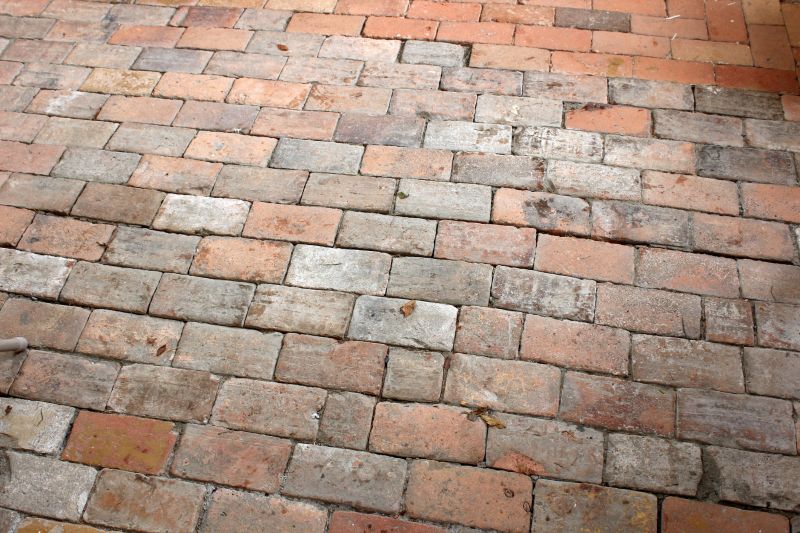
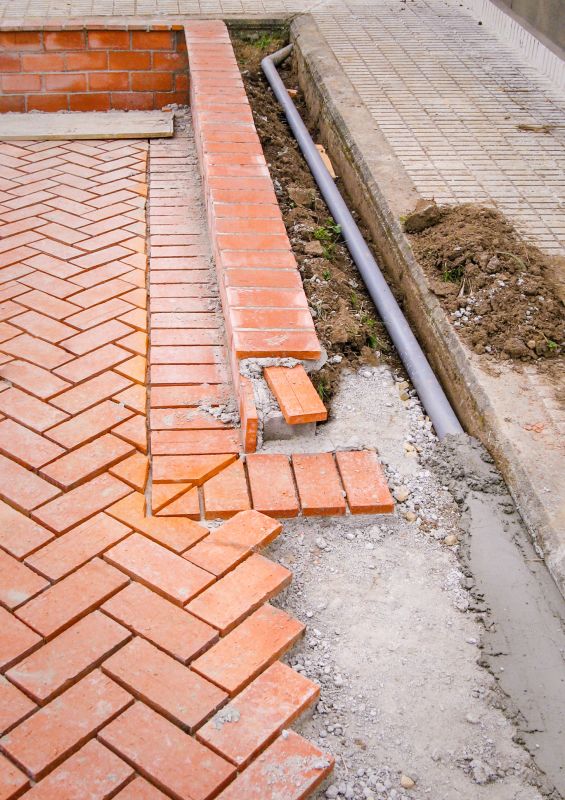
When dealing with cracked or uneven brick and stone flatwork on commercial properties, property owners often weigh the options between repair and replacement. In many everyday situations, such as minor surface cracks or small areas of deterioration, local contractors typically recommend brick and stone flatwork repair as a cost-effective and less disruptive solution. Repair services can often restore the appearance and functionality of the flatwork without the need for extensive demolition, making them an attractive choice for maintaining the property's curb appeal and safety standards.
However, in cases where the damage is extensive or the flatwork has become structurally compromised, replacement may be considered the better long-term solution. Local service providers can assess the condition of the brick and stone flatwork to determine whether repair will hold or if replacement is necessary to ensure durability. Property owners seeking guidance on whether to pursue repair or replacement for their commercial flatwork can benefit from consulting experienced local contractors who specialize in these services, ensuring the work aligns with the property's needs and budget.
When should brick and stone flatwork repair be considered instead of replacement for commercial properties? Repair is typically suitable when damage is limited to cracks, spalling, or minor surface issues, allowing the existing flatwork to be restored without the need for full replacement. Local contractors can assess the extent of damage to determine if repair will maintain durability and appearance.
What are the advantages of choosing repair over replacement for brick and stone flatwork? Repair often involves less disruption, lower costs, and quicker completion compared to replacement. Skilled service providers can address specific problem areas while preserving the original structure and aesthetic of the flatwork.
Are there situations where replacement is recommended instead of repair for commercial flatwork? Replacement may be necessary if the flatwork has extensive structural damage, severe cracking, or deterioration that cannot be effectively stabilized through repair. Local contractors can evaluate whether repair can provide a long-term solution or if replacement is more appropriate.
How do local service providers determine whether to repair or replace brick and stone flatwork? They assess the condition of the flatwork, including the severity and type of damage, age, and underlying issues, to recommend the most effective and durable solution-either repair or replacement.
Can repair methods extend the lifespan of existing brick and stone flatwork for commercial properties? Yes, proper repair techniques can reinforce the structure, fix existing damage, and help prolong the lifespan of the flatwork, making repair a practical option for maintaining commercial property surfaces.
Assessing repair needs - property owners can evaluate existing brick and stone flatwork to determine if repairs are sufficient or if replacement is necessary for long-term durability.
Choosing repair or replacement - property owners can consult with local contractors to decide whether targeted repairs or full replacement best suits the condition of their brick and stone flatwork.
Planning for restoration projects - property owners can develop a plan with local pros to restore damaged flatwork, ensuring minimal disruption to daily operations.
Preventive maintenance strategies - property owners can implement ongoing maintenance with local contractors to prolong the lifespan of brick and stone flatwork and reduce future repair needs.
If you are thinking about brick and stone flatwork repair vs. replacement for commercial properties for a property, this guide is meant to help you understand this topic, the typical project types, and how different options might fit your plans.
When you are ready, you can use the quote form on this page to share a few details about your project. From there, local pros can review the basics and follow up with options that match what you have in mind.